Indonesia Orders Metal Chip Briquetting Machine 1 Ton/Hour Line with SL-400 Shredder
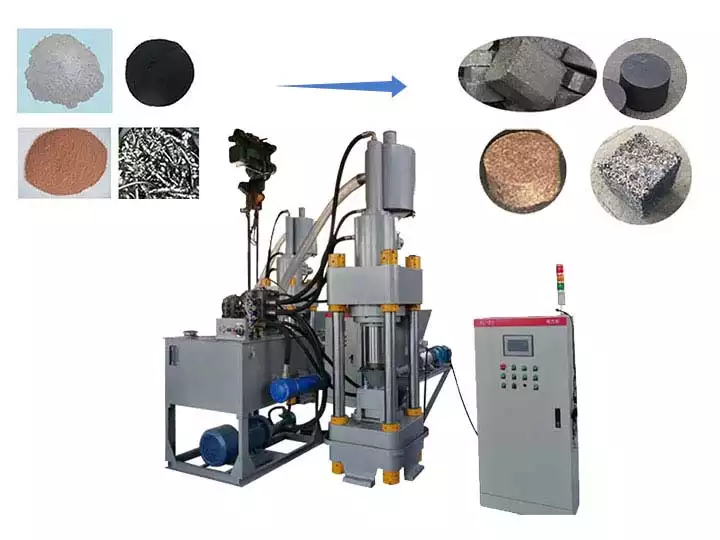
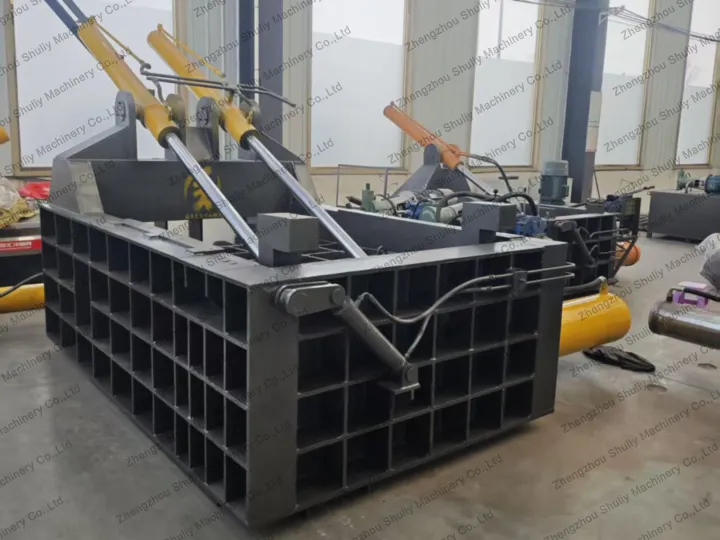
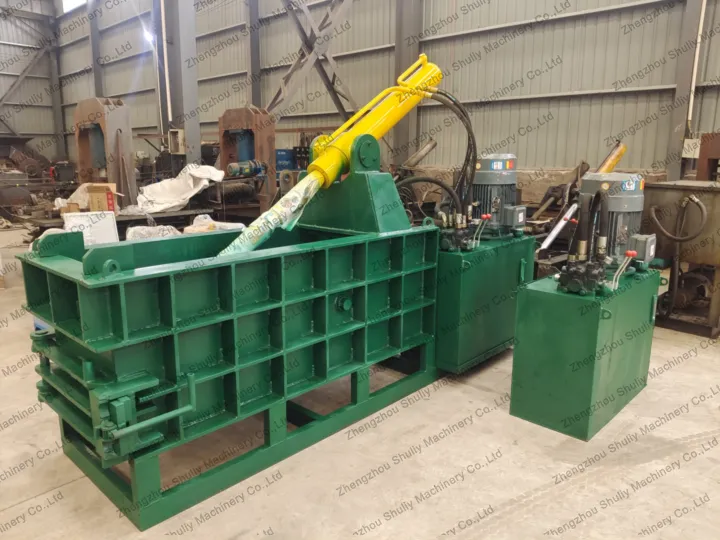
An Indonesian dealer ordered a vertical metal chip briquetting machine and SL-400 scrap metal shredder to process metal chips and long strips into 20 mm briquettes at a target of 1 ton per hour.
The order evolved through equipment upgrades, right-sized shredding, a factory visit, added feeding, cooling, and safety components, and a custom plant layout before the deposit was paid.
This case follows an Indonesian order for a vertical metal chip briquetting machine paired with an SL-400 scrap metal shredder. The buyer was a middleman sourcing equipment on behalf of an end client who already operates three Japanese machines — a demanding reference point that shaped every decision in the project. The goal: turn mixed metal chips and long metal strips into dense 20 mm briquette cakes at a target of 1 ton per hour.
What makes this order worth sharing is not the equipment list — it is the six-step service journey that took the project from a first rough quote to a paid deposit, including two machine upgrades, a shredder downsizing, three add-ons requested during a factory visit, and a custom plant layout drawn to the client’s own floor dimensions.
Project Snapshot
| Item | Detail |
|---|---|
| Buyer | Indonesian dealer / middleman (sources for an end client) |
| End client background | Already run 3 Japanese metal-processing machines — experienced, high expectations |
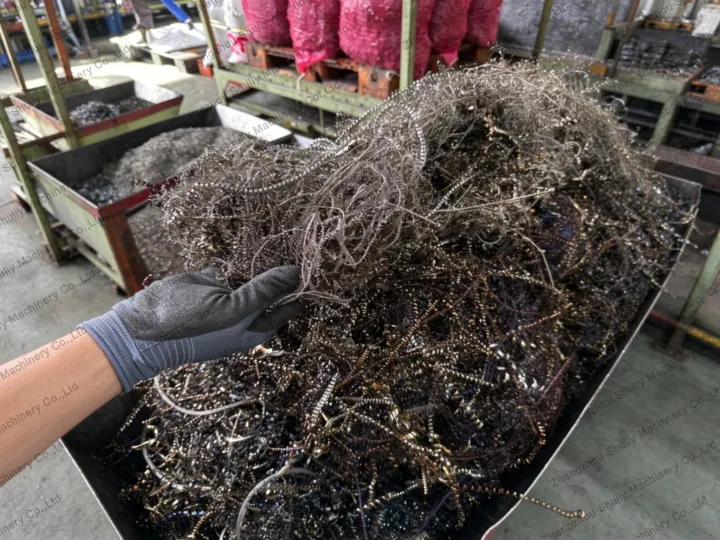
| Raw materials | Metal chips (swarf) + long metal strips |
| Throughput target | 1 ton per hour |
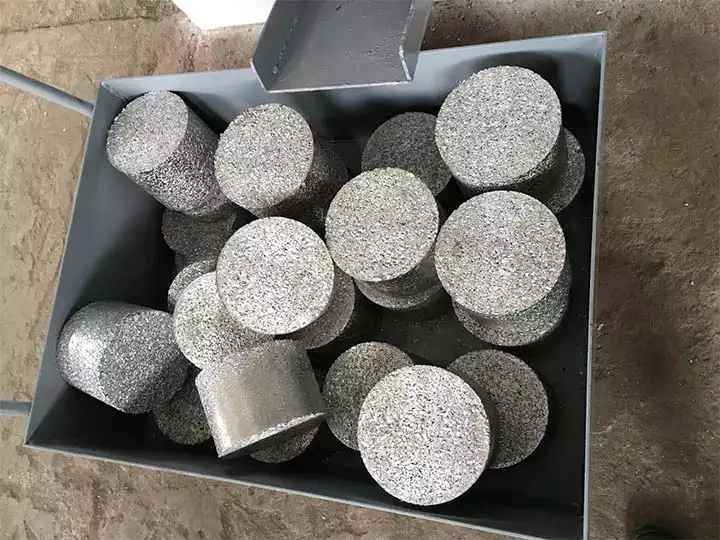
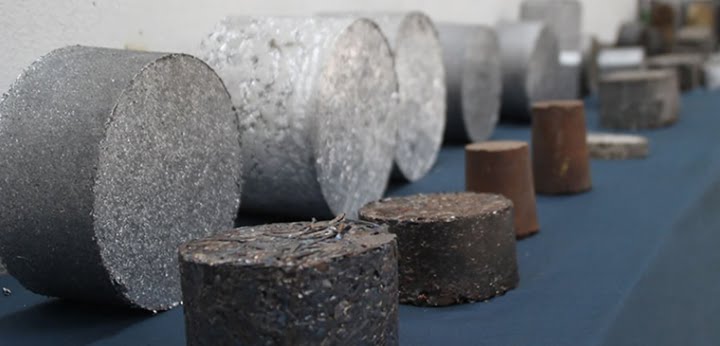
| Finished product | 20 mm briquette cake, customer-specified size |
| Core machines | Vertical metal chip briquetting machine + SL-400 scrap metal shredder |
| Add-ons after factory visit | Lift-assisted feeder, water cooling system, protective screen mesh |
| Payment note | Deposit settled in RMB after a small discount |
The Two Real Challenges Behind This Order
Every metal briquetting project has a “gotcha” that decides whether the line works. Here there were two:
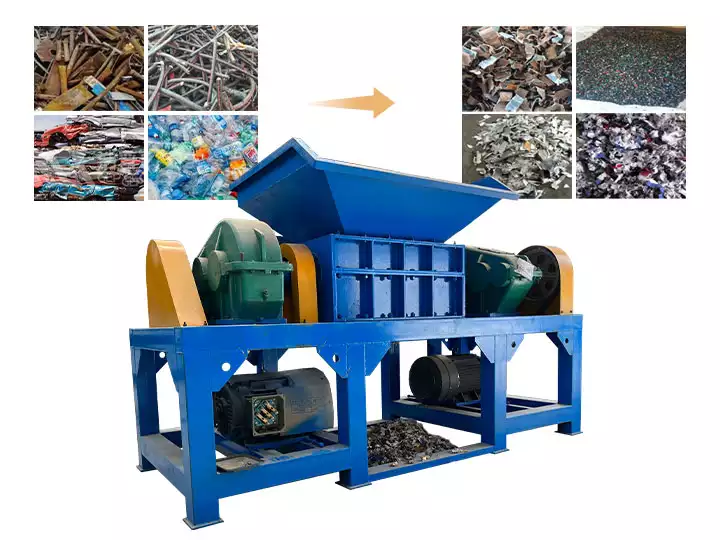
- Long strips cannot go straight into the press. The briquetting machine accepts feed material within roughly 5 cm. The client’s metal long strips were far larger, so they had to be shredded down first. This is what pulled the SL-400 shredder into the line.
- A 1 t/h target is not a catalog default. The standard vertical press (SL-315T) is rated around 300–500 kg/h. Reaching 1 ton per hour meant sizing the press and the feeding line together as a system — not simply picking the biggest box off the shelf.
The Service Journey: From First Quote to Paid Deposit
Step 1 — A first quote based on material and output
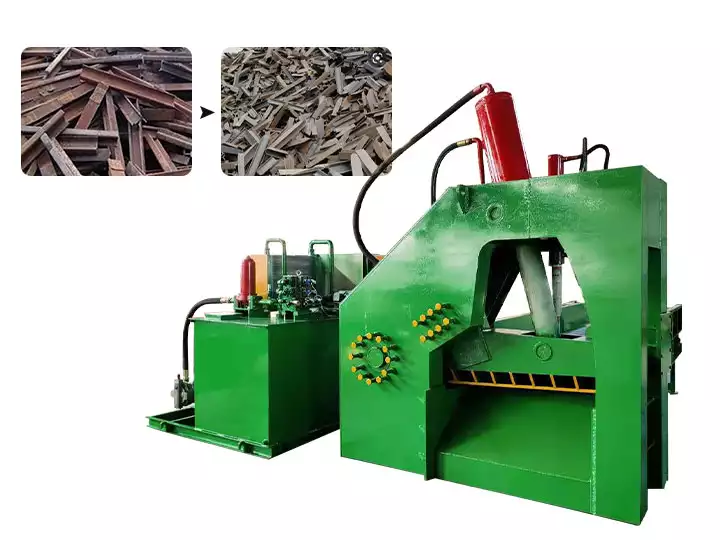
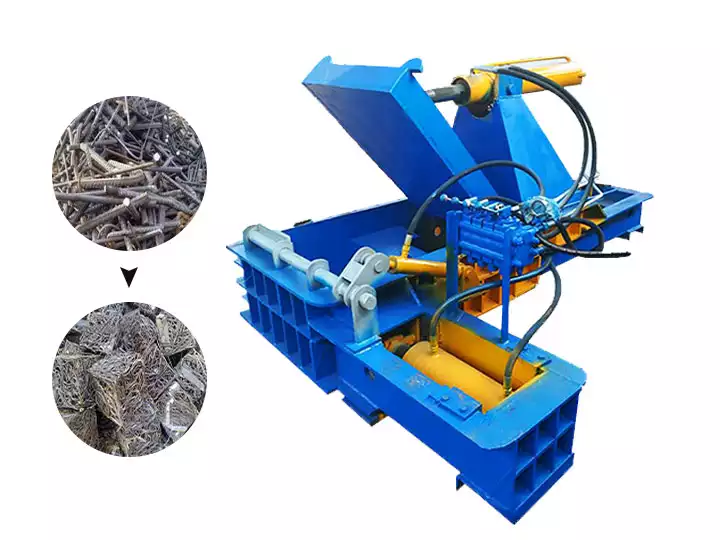
The client sent photos of the raw material and stated the 1 t/h target. Based on that, we initially proposed our metal recycling machine as a cost-effective starting point. A rough, honest first pass — not a hard sell.
Step 2 — Upgrading to the machine after seeing the Japanese reference
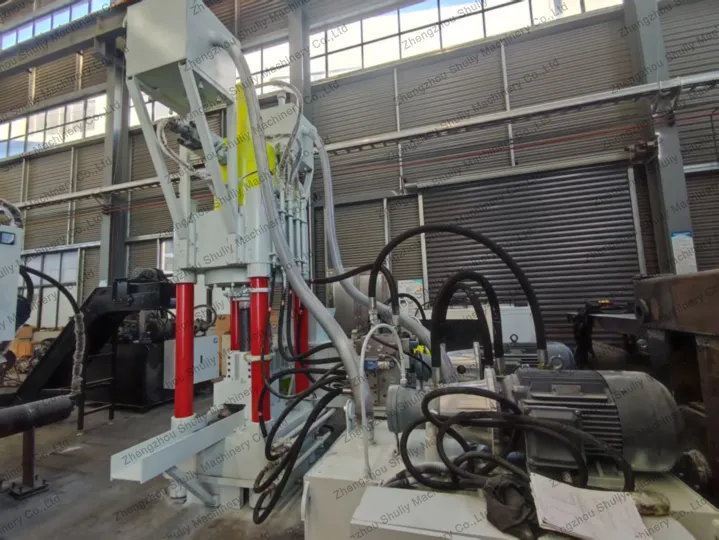
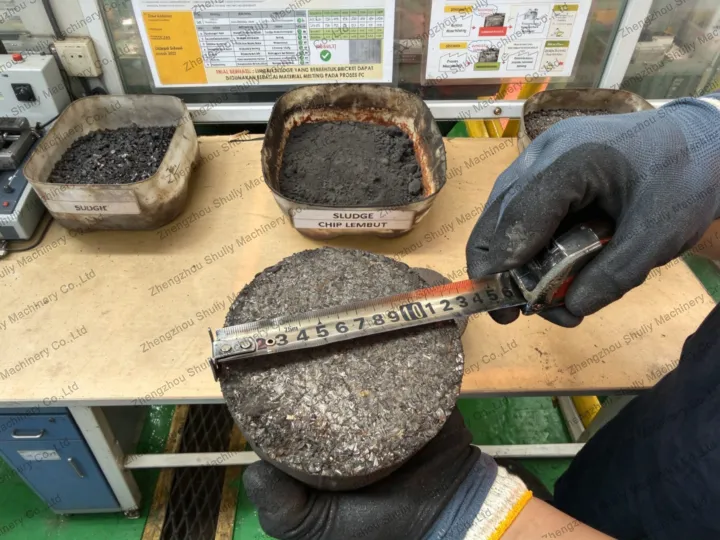
The client asked about feeding the material automatically, so we added a feeder and conveyor to the proposal. When we learned the end client’s existing machines were Japanese-made, we updated the quotation to our higher-spec metal chips briquette machine. The price was somewhat higher — and the client accepted it without pushback. An experienced buyer who already runs Japanese equipment values build quality over the lowest number, and that read guided the upgrade.
Step 3 — Sizing the shredder: 800 → 600 → 400
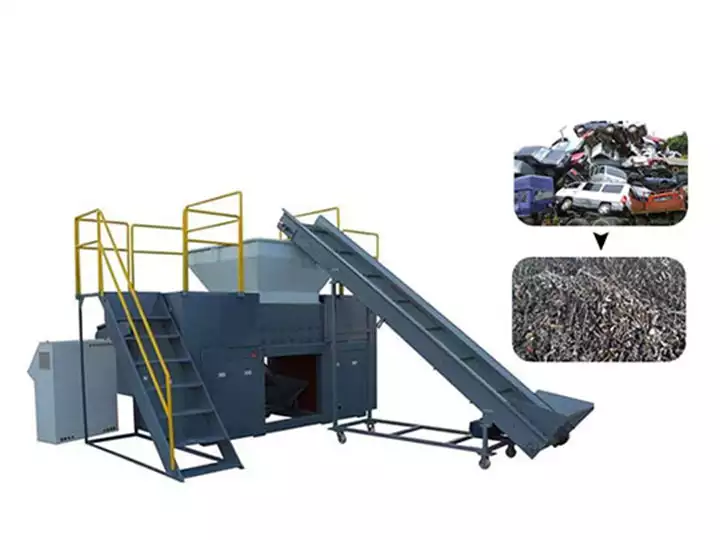
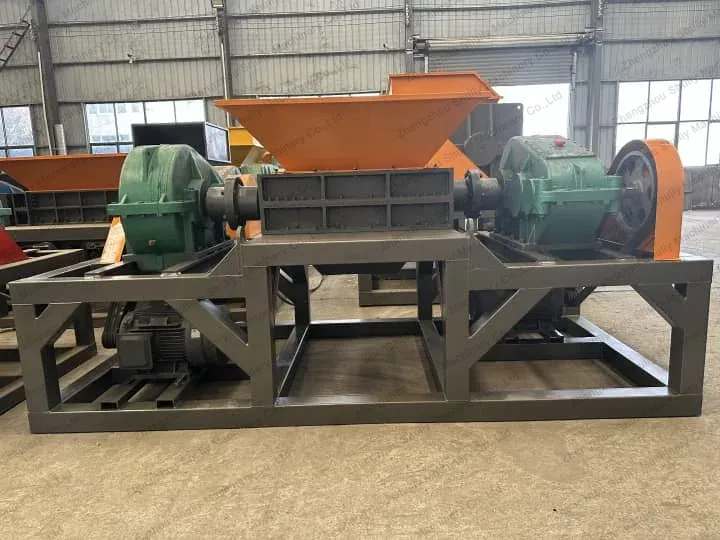
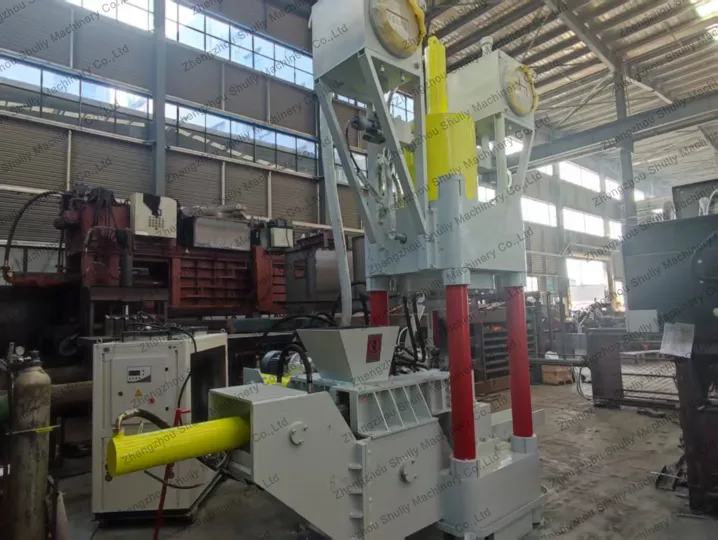
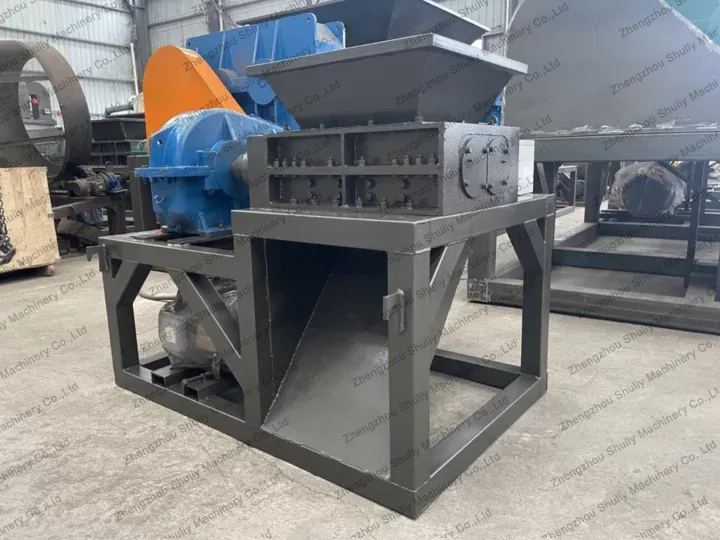
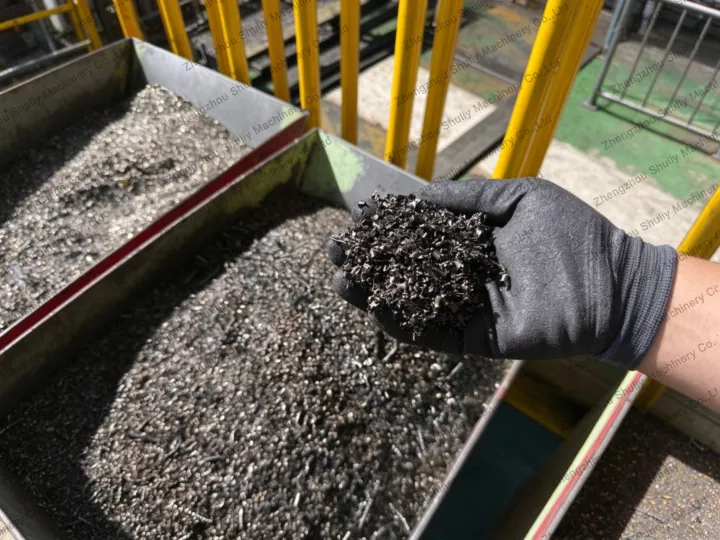
Because the long strips had to be reduced to under 5 cm before pressing, a scrap metal shredder was required. We first suggested an 800-type unit. The client felt it was oversized for the job, so we presented the 600 and 400 options. After comparing throughput against the actual strip volume, the client chose the SL-400 — right-sized, not oversold. This is a small detail that matters: we let the client’s real material dictate the model, rather than pushing the largest, highest-margin machine.
Step 4 — Factory visit turns into three practical add-ons
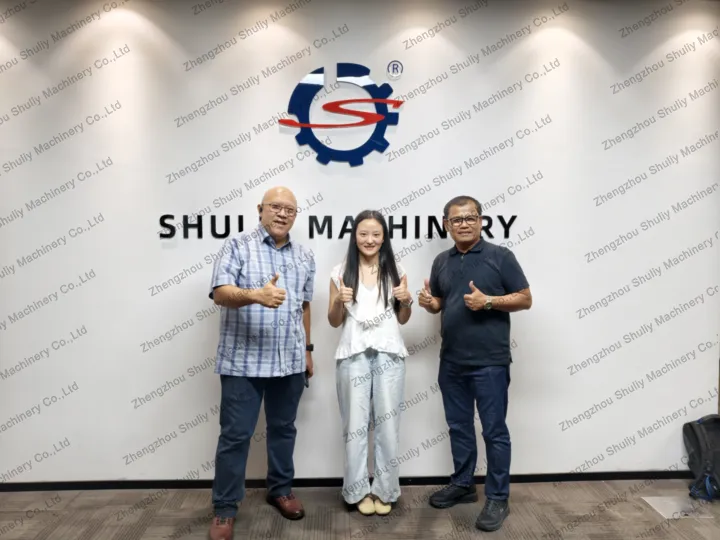
The client visited the factory, and the conversation moved from “what machine” to “how it will actually run on my floor.” Three additions came directly from what he saw and asked:
- Lift-assisted feeder — the client requested the feeder be fitted with a lifting mechanism to ease material loading.
- Water cooling system — added to keep the hydraulic circuit stable during continuous pressing.
- Protective screen mesh — the client flagged a real shop-floor risk: tools accidentally falling into the machine. A screen mesh was specified to solve it.
None of these were in the original scope. They emerged because seeing the machine in person surfaced the practical questions a spec sheet never answers.
Step 5 — A metal crusher tour that planted the next order
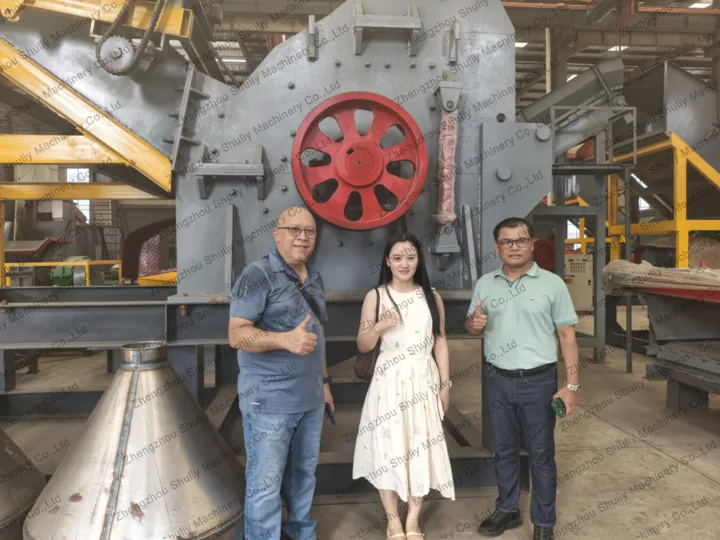
During the visit the client also asked about a metal crushing machine. Because that equipment sits close to the briquetting line in our facility, we walked him through it on the spot. He was clearly satisfied and plans to bring the end client back for a second visit to review the crushing machine — a likely follow-on order born from a single factory tour.
Step 6 — Discount, RMB deposit, and a layout drawn to his floor
The client asked for a better price; we adjusted it modestly, and he paid the deposit in RMB. He then requested a plant layout drawing. We asked for his factory dimensions and produced a layout fitted to his actual space — so the press, shredder, feeder, and conveyor would sit correctly on his floor before a single machine shipped.
Final Delivered Configuration
| Component | Role in the Line |
|---|---|
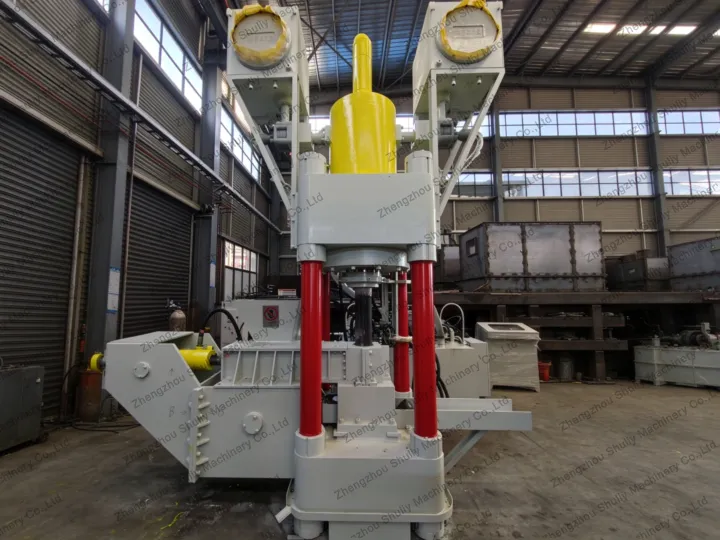
| Vertical metal chip briquetting machine | Cold-presses metal chips into 20 mm briquette cakes |
| SL-400 scrap metal shredder | Reduce long metal strips to under 5 cm for press feeding |
| Feeder + conveyor with lift | Automated, ergonomic material loading |
| Water cooling system | Stabilize hydraulics for continuous 1 t/h operation |
| Protective screen mesh | Prevent tools/debris from entering the machine |
| Custom plant layout | Machine placement matched to client’s factory dimensions |
Why This Client Chose Shuliy
Two reasons came up repeatedly, and both are about process rather than price:
- The machine met the requirement and every question got a detailed answer. From shredder sizing to cooling and safety, we responded with specifics, not sales language.
- The factory visit built trust. Seeing the equipment and the plant turned a remote quotation into a confident decision — and opened the door to the metal crusher follow-up.
What Other Buyers Can Take From This Case
- Match the shredder to your real material, not the catalog. Right-sizing (400 over 800) saves money and floor space.
- Plan feeding before pressing. Oversized feed stock is the most common reason a briquetting line underperforms.
- Visit, or request a layout, before you buy. A drawing made to your floor dimensions prevents installation surprises.
- Expect add-ons to surface at the factory. Cooling, lifting, and safety screens are practical, not optional, once you see the line running.
Related Equipment
- Vertical Metal Chip Briquetting Machine — the core press in this line, cold-pressing chips into cylindrical cakes.
- Hydraulic Metal Briquetting Press — screw-feed press for round cake briquettes, Ø80–160 mm.
- Scrap Metal Shredder — twin-shaft crusher (SL-400 to SL-2000) for reducing bulky metal before pressing.
- Double Shaft Shredder — general-purpose shredder for mixed metal and industrial waste.
- Related case: Copper chips vertical baler shipped to Indonesia.