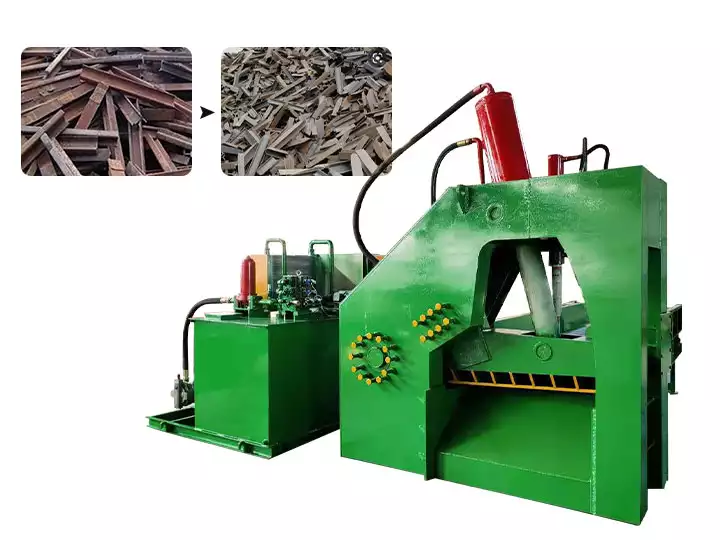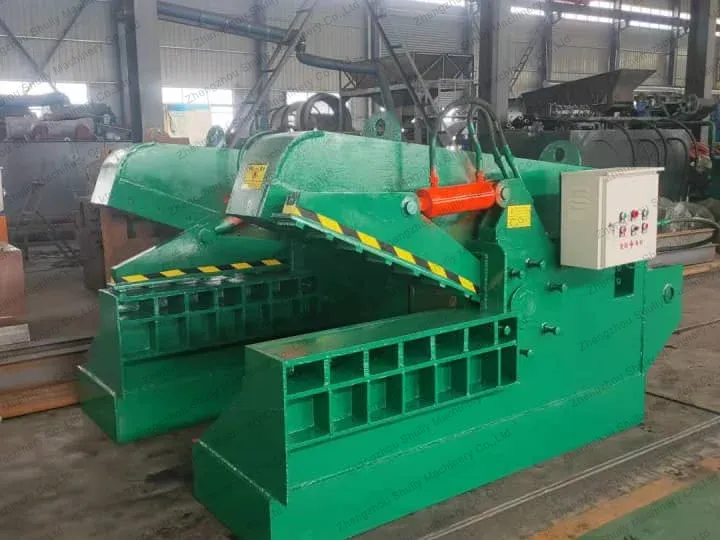
How to Choose Metal Baler Machine: 7 Key Factors for Selecting the Right Scrap Metal Baler
Choosing the right metal baler machine is one of the most consequential capital decisions for any scrap yard, recycling plant, or steel mill.
- A poorly matched scrap metal baler can bottleneck your entire operation, waste electricity, and force premature replacement within 3-5 years.
- A well-selected hydraulic metal baler can run 10+ years, deliver predictable throughput, and pay for itself through reduced freight, denser bales, and higher scrap sale prices.
This 2026 buyer’s guide breaks down the 7 factors that determine whether a metal baling machine is right for your operation.
Whether you’re a small scrap yard owner comparing your first metal compactor, a recycling plant manager scaling up from a manual press, or a steel mill procurement officer evaluating horizontal metal baler models for high-volume processing, this guide gives you a clear framework for making the right choice.
We’ll cover tonnage, bale size, drive configuration, throughput, voltage, build quality, and after-sales support—and show you how each factor maps to specific scrap metal baler models.
Factor 1. Match Tonnage to Your Scrap Material (60T-200T Range)
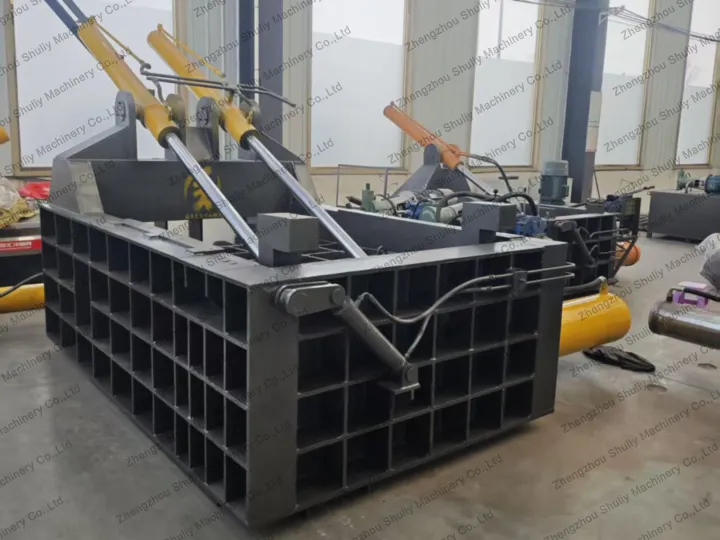
The first decision in choosing a metal baler machine is matching hydraulic tonnage to the scrap you actually process. Higher tonnage isn’t always better—oversized presses waste electricity, while undersized presses jam frequently and stress hydraulic components.
| Scrap Type | Recommended Tonnage | Typical Application |
| Light gauge (tin cans, thin sheet, wire) | 60-100T | Small scrap yards, aluminum can recyclers |
| Medium scrap (mixed steel, car bodies, copper wire) | 100-135T | Mid-size scrap yards, recycling plants |
| Heavy scrap (structural steel, plate, rebar) | 135-200T | Steel mills, demolition contractors, large recycling centers |
| Industrial swarf (chips, turnings, shavings) | 100-500T (briquetting press) | Machine shops, automotive parts factories |
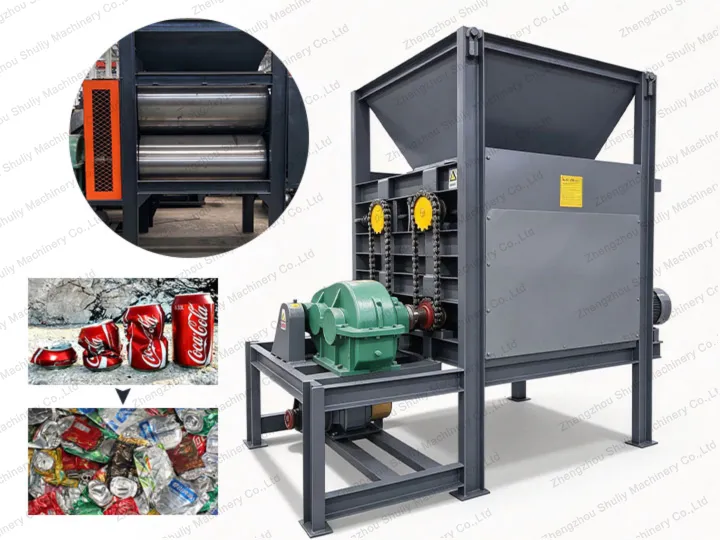
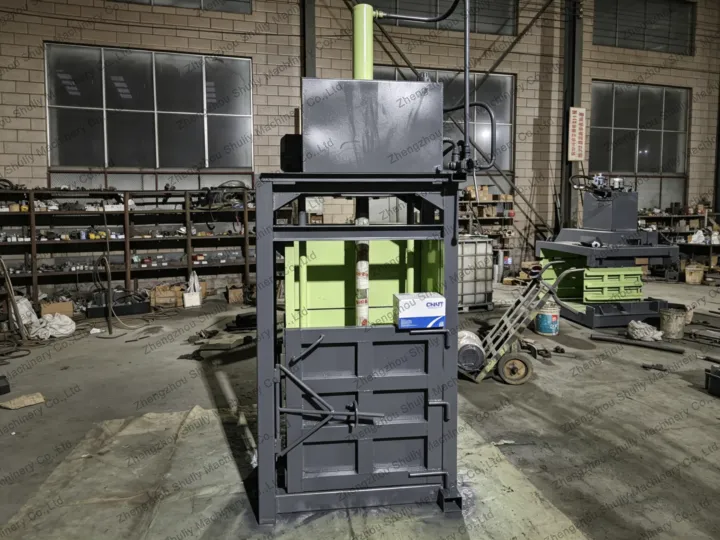
- A 60T vertical metal baler handles tin cans and light sheet at 1-2 bales per minute.
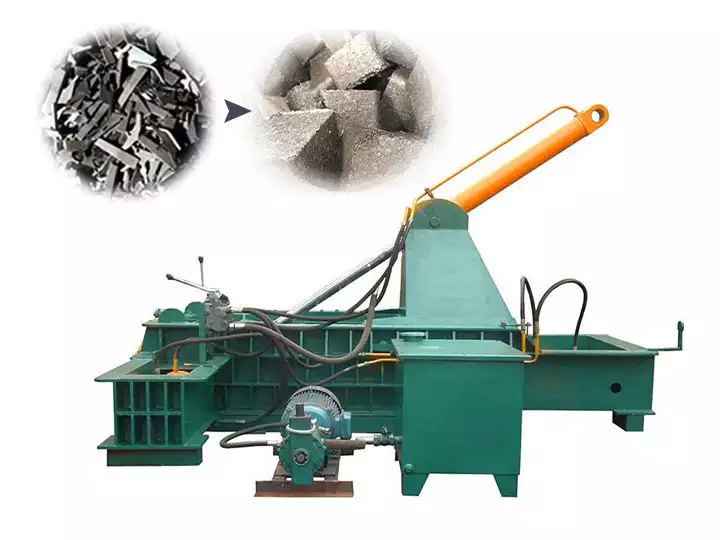
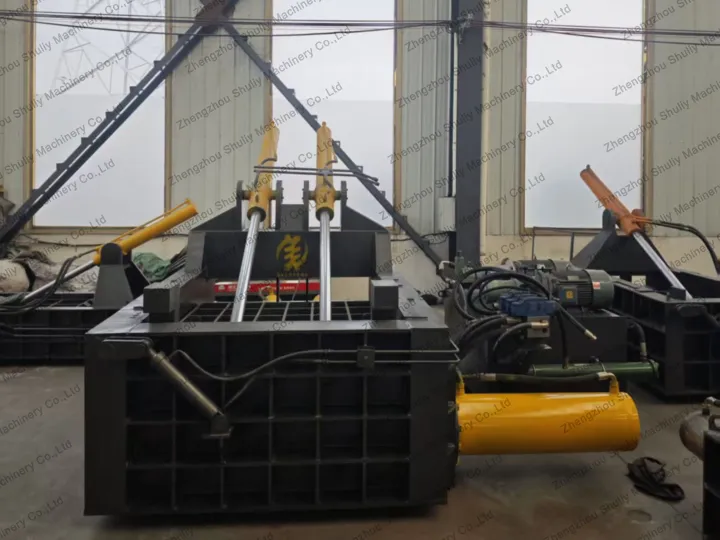
- A 200T horizontal scrap metal baler compresses structural I-beams into 50-60 kg blocks at 8-10 bales per hour. For most mid-size operations.
- A 100-135T range covers 80% of common scrap streams.
Rule of thumb: Calculate your average scrap thickness. For every 1 mm of mild steel, allocate 8-10 tons of compression force. A 10 mm steel plate requires at least 80-100T; a 20 mm plate needs 160-200T. If you’re processing mixed scrap, size for the heaviest 20% of your stream.
Factor 2. Choose Bale Size and Density That Match Your Logistics
Bale size directly impacts your downstream costs. Smaller bales mean more frequent loading, more labor per bale, and lower truck fill rates. Larger bales reduce handling but require bigger balers, more powerful hydraulic systems, and stronger floors.
Standard metal baler machine bale sizes:
- Small (300×300×300 mm): 15-25 kg bales for light scrap; fits in pickup trucks and small containers
- Medium (400×400×400 mm to 500×500×500 mm): 40-80 kg bales; standard for 60-135T balers; best balance of handling and truck fill
- Large (600×600×600 mm to 800×800×800 mm): 100-200 kg bales; typical for 135-200T horizontal balers; requires forklift handling
- Custom (cylindrical, hexagonal, octagonal): 200-500 kg bales for steel mill direct-feed; requires 200T+ balers and special die sets
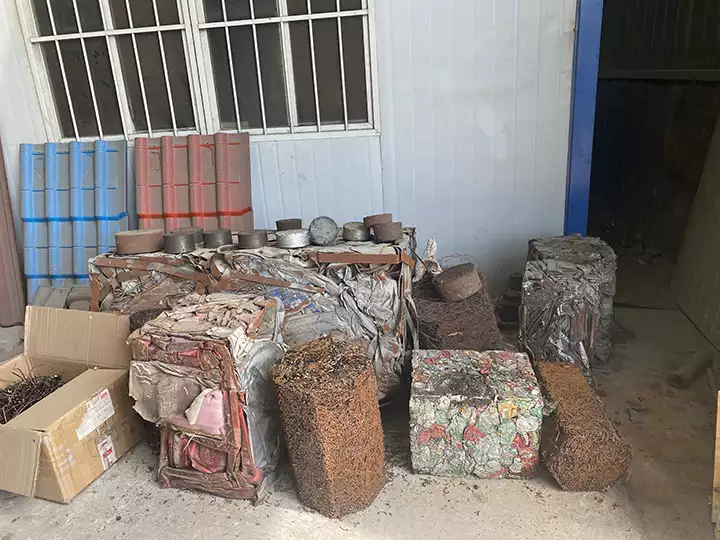
Bale density matters as much as bale size. A properly calibrated 135T scrap metal baler produces bales at 1,800-2,200 kg/m³ for mild steel, while a poor-quality press might achieve only 1,200-1,500 kg/m³. Higher density means higher scrap yard purchase price—steel mills pay 5-15% more for dense, clean bales.
Factor 3. Select the Right Configuration: Horizontal vs Vertical Metal Baler
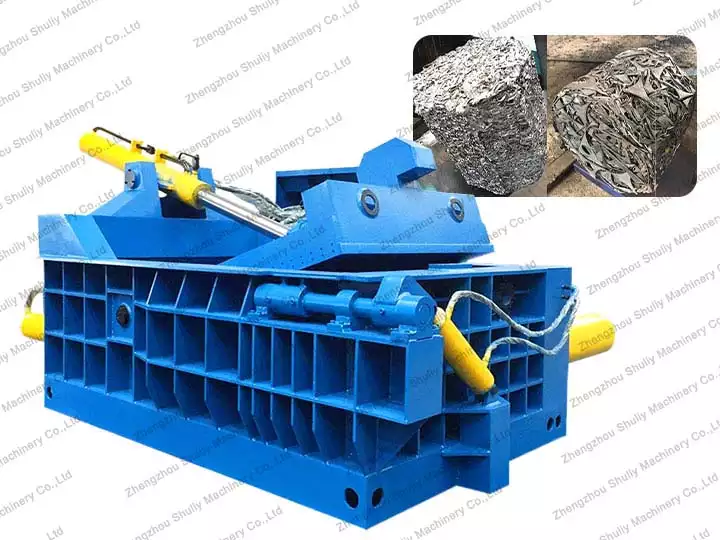
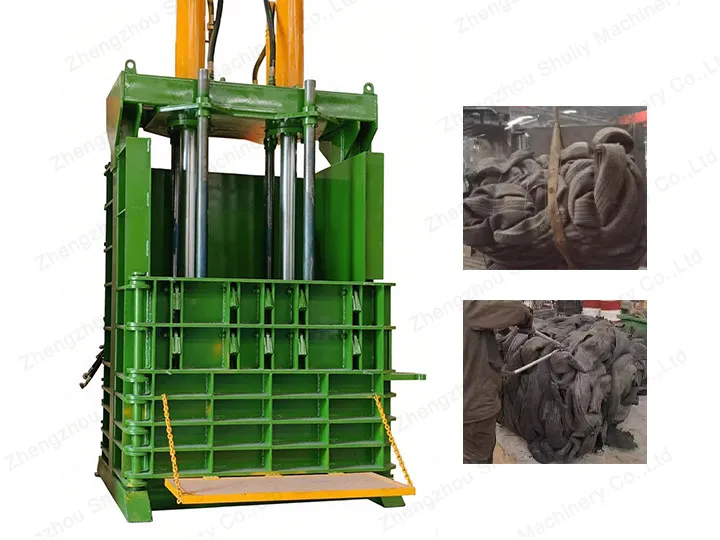
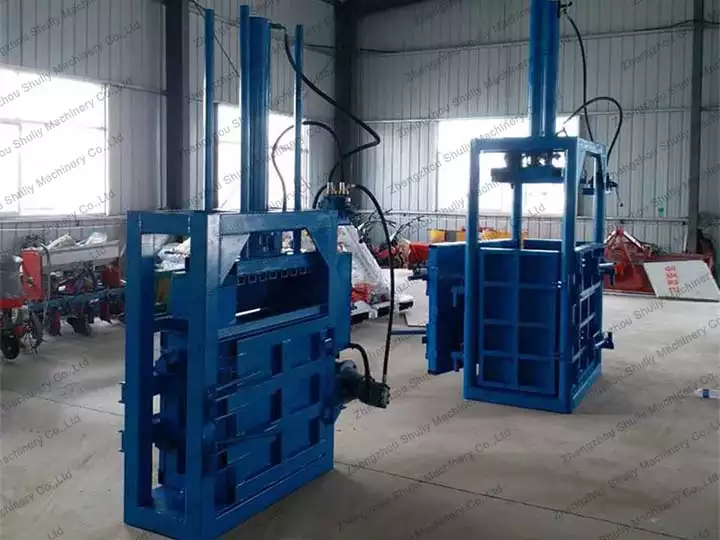
Choose between a horizontal metal baler and a vertical metal baler based on your throughput, floor space, and loading method. The two designs serve very different operations.
| Factor | Horizontal Metal Baler | Vertical Metal Baler |
| Throughput | 2-8 tons/hour (continuous feed) | 0.5-2 tons/hour (batch load) |
| Footprint | Larger (8-15 m long) | Compact (2-4 m²) |
| Loading | Conveyor or grapple feed | Manual or forklift dump |
| Bale ejection | Automatic, continuous | Manual or semi-automatic |
| Best for | Scrap yards, steel mills, high-volume | Small operations, light scrap, mixed materials |
| Typical price | $15,000-$80,000 | $5,000-$20,000 |
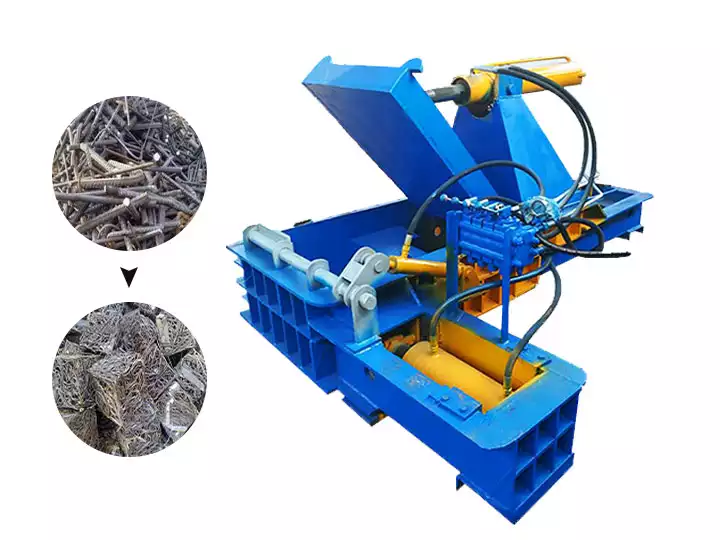
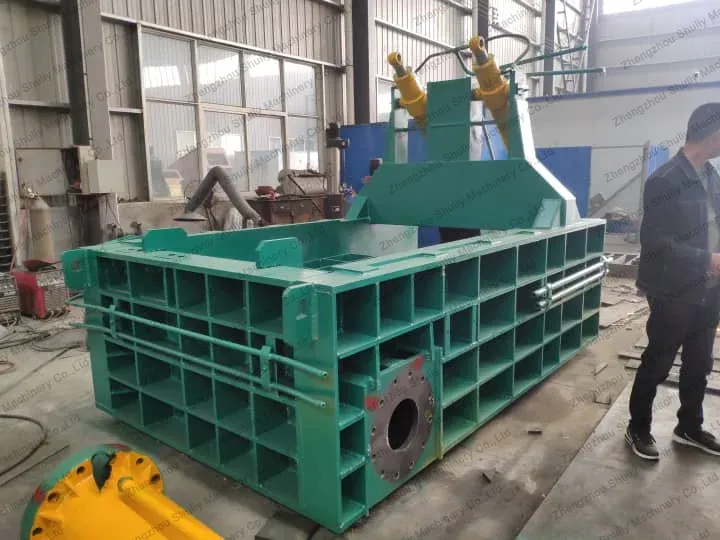
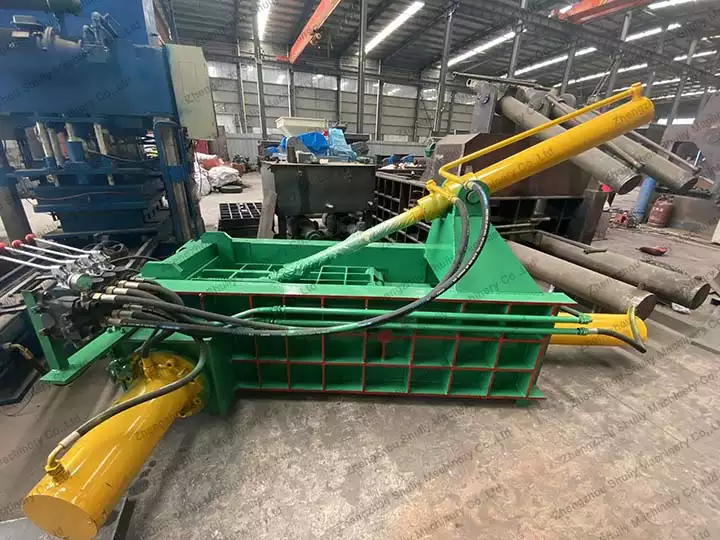
Choose a horizontal metal baler if: You process 3+ tons/day, have a conveyor or grapple loader, and need continuous operation. The horizontal scrap metal baler is the workhorse of commercial scrap yards.
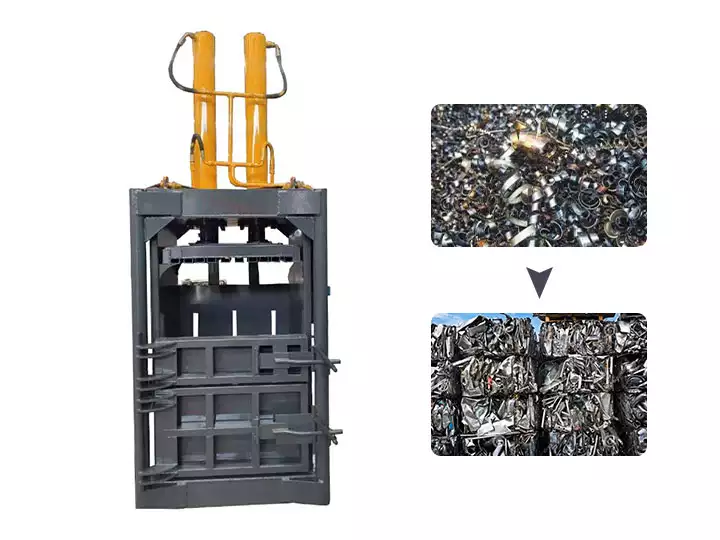
Choose a vertical metal baler if: You process under 2 tons/day, have limited floor space (under 50 m²), or need flexibility to bale multiple material types (cardboard, plastic, light metal). The vertical metal baler is a smart choice for new entrants and small recycling centers.
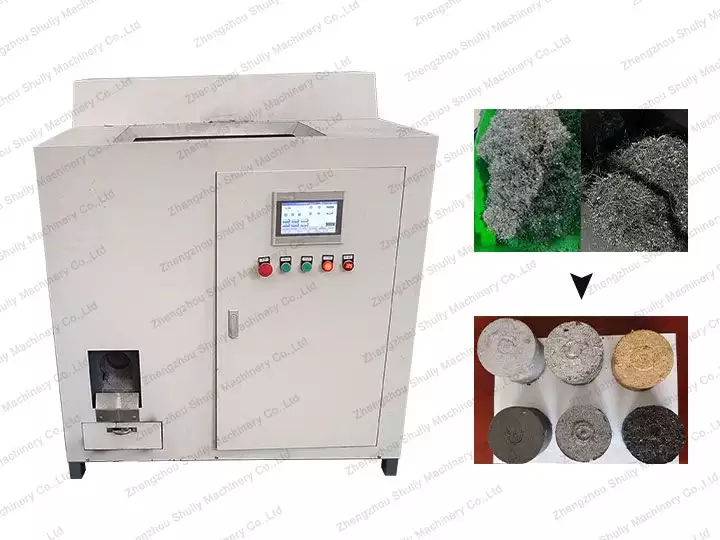
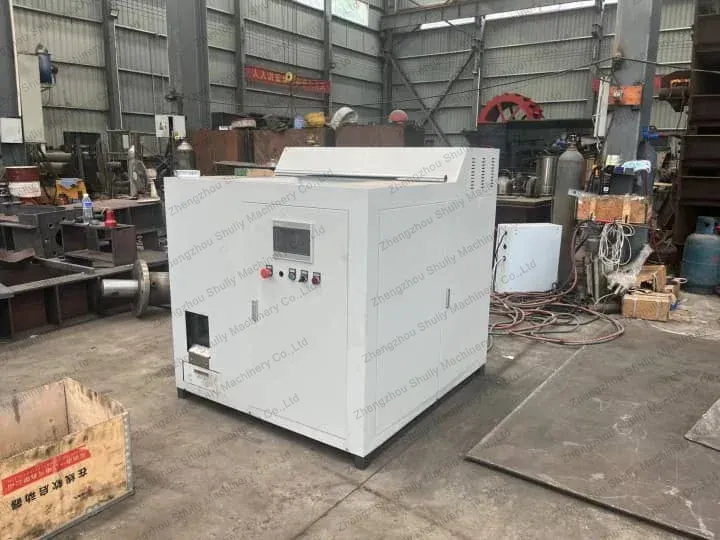
Special case: Briquetting press. If your scrap is primarily metal chips, turnings, or shavings (swarf from machine shops), consider a metal briquetting press instead of a baler. Briquetting produces 60-150 mm diameter pucks at 5+ tons/hour throughput, capturing cutting fluid and increasing furnace yield by 15-30%.
Factor 4. Motor Power, Hydraulic System, and Cycle Time
Motor power and hydraulic system design determine the cycle time, energy efficiency, and long-term reliability of your metal baling machine. Three specifications matter most:
- Motor power (kW): Range from 7.5 kW (small vertical balers) to 90 kW (large horizontal balers and briquetting presses). For a 100T baler, expect 22-30 kW. Undersized motors overheat and stall on hard scrap; oversized motors waste electricity on light loads.
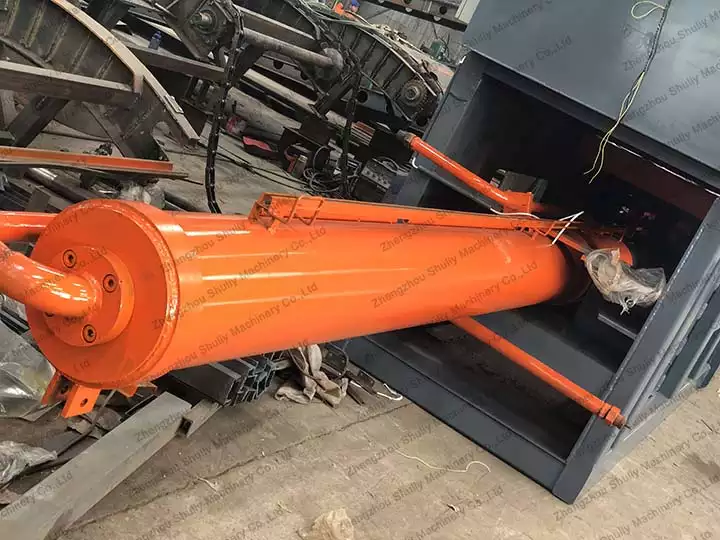
- Hydraulic pressure (MPa): Most metal balers operate at 21-25 MPa (3,000-3,600 PSI). Higher pressure allows smaller cylinders to deliver more force, but stresses seals and hoses. Quality manufacturers use name-brand components (Bosch Rexroth, Yuken, Parker).
- Cycle time (seconds per bale): 60-120 seconds for 60-100T balers, 90-180 seconds for 135-200T balers. Faster cycles drive higher throughput, but only if loading and ejection keep pace. A 90-second cycle paired with a 2-minute manual loading step delivers only 0.5 bales per minute (limited by the slower load step), not the theoretical 0.67 bales per minute from the cycle alone—match the slowest step in your operation.
Efficiency tip: Look for variable-speed pumps or load-sensing hydraulics on premium scrap metal baler models. These reduce energy consumption 20-30% compared to fixed-displacement pumps, paying back the price premium within 2-3 years for high-utilization operations.
Factor 5. Throughput and Daily Processing Target
Calculate your required throughput before selecting a metal baler machine. Most buyers underestimate this figure, then find their baler is the bottleneck during peak weeks.
Throughput formula:
Daily tons needed = (Annual scrap volume in tons) ÷ (Operating days per year)
For a scrap yard processing 3,000 tons/year with 300 operating days, daily throughput is 10 tons. With 8 hours of operation, that requires 1.25 tons/hour—achievable with a 100-135T horizontal baler running 2-3 minute cycles at 50-80 kg per bale.
Buffer for peak demand: Add 30-50% capacity for month-end surges, seasonal peaks, and unexpected contracts. A baler sized for average throughput will choke during peak weeks, forcing overtime or rejected loads.
For a small operation processing 200-500 tons/year, a 60T vertical metal baler handles 0.5-1 ton/hour and pays for itself in 6-12 months. For mid-size operations (1,000-5,000 tons/year), a 100-135T horizontal baler is the sweet spot. Large operations (5,000+ tons/year) should consider 200T horizontal balers or 2×100T balers running in parallel for redundancy.
Factor 6. Voltage and Electrical Configuration for Your Country
Matching the correct voltage is a common oversight. A hydraulic metal baler ordered with 380V/50Hz won’t run in a 220V/60Hz country without a transformer or rewound motor—both expensive retrofits. Confirm the electrical configuration before placing your order.
| Region | Standard Voltage | Phase | Frequency |
| China, Europe, Middle East, Africa, Russia/CIS | 380V | 3-phase | 50 Hz |
| Southeast Asia (Indonesia, Vietnam, Thailand) | 380V | 3-phase | 50 Hz |
| India | 415V | 3-phase | 50 Hz |
| USA, Canada, Mexico | 480V (or 240V for small balers) | 3-phase | 60 Hz |
| Japan | 200V | 3-phase | 50/60 Hz |
| Brazil | 220V/380V | 3-phase | 60 Hz |
Most quality manufacturers offer motor rewinding for non-standard voltages at modest cost ($100-300). Specify your exact voltage, phase, and frequency when requesting a quote.
If your site has unstable power, also ask about surge protection and motor starters—these are low-cost insurance against voltage spikes that destroy control panels.
Factor 7. Build Quality, Components, and After-Sales Support
The cheapest metal baler quote is rarely the best value. Build quality determines whether your metal baling machine lasts 5 years or 15 years. Five elements separate professional-grade balers from budget models:
- Frame thickness and steel grade: Look for Q235 or Q345 carbon steel frames with 16-25 mm main plates. Budget balers use 8-12 mm plates that fatigue within 3-5 years under heavy use.
- Hydraulic cylinder quality: Name-brand cylinders (Bosch Rexroth, Eaton, domestic equivalents) with honed tubing and chrome-plated rods. Avoid unmarked cylinders—the failure rate is 3-5x higher.
- Motor brand: Siemens, ABB, or Y series three-phase motors with copper windings. Aluminum-wound motors run 20-30°C hotter and fail within 18-24 months under continuous duty.
- Control system: PLC-based control with overload protection, emergency stop, and cycle counter. Premium scrap metal baler models include Siemens or Mitsubishi PLCs; budget models use no-name relays that fail unpredictably.
- Manufacturer warranty and parts availability: A 2-year warranty is industry standard. Confirm the manufacturer stocks wear parts (seals, blades, hydraulic hoses) and ships within 48 hours. Remote video technical support is standard from reputable exporters.
For specialized scrap streams (stainless steel, automotive scrap, demolition debris), ask the manufacturer for case studies from similar operations. Experienced metal baler machine suppliers will recommend specific configurations, die sets, and auxiliary equipment based on your actual scrap profile.
Common Mistakes When Choosing a Metal Baler Machine
Avoid these five common pitfalls that drive up total cost of ownership:
- Undersizing tonnage: A 60T baler can’t compress 6 mm steel plates—it stalls, overheats, and burns out the motor. Always size for the heaviest 20% of your scrap stream.
- Ignoring bale density: Low-density bales earn 10-20% less at the scrap yard gate. Test the manufacturer’s claimed density before purchase—ask for a video of similar scrap being baled.
- Skipping installation planning: A 135T horizontal baler weighs 4-6 tons and requires a reinforced concrete slab at least 200 mm thick. Plan foundation work, power supply, and material flow before delivery.
- Buying on price alone: A $5,000 “metal baler” with no-name hydraulics and a 1-year warranty costs more over 10 years than a $12,000 quality press with a 2-year warranty and proven components.
- Forgetting operator training: Even a premium metal baler wears out prematurely with untrained operators. Budget for 2-3 days of hands-on training at installation—most manufacturers include this in the FOB price.
How to Get an Accurate Metal Baler Quote
To receive a useful quote, provide the manufacturer with five data points:
- Scrap type and thickness: Mild steel sheet, structural I-beams, copper wire, mixed scrap, etc.
- Daily/annual processing volume: Tons per day or per year
- Loading method: Manual, forklift, conveyor, or grapple
- Site voltage: 380V/50Hz, 415V/50Hz, 480V/60Hz, or other
- Preferred bale size and density: Standard 400×400 mm blocks, custom 600×600 mm, etc.
A reliable scrap metal baler manufacturer returns a detailed quote within 24 hours, including model recommendation, specifications, FOB/CIF pricing, lead time, warranty terms. Vague quotes that take 1-2 weeks usually signal a trading company rather than a factory—ask whether you’re dealing with the actual manufacturer.
For a horizontal metal baler (high-volume scrap yards), a vertical metal baler (compact, light-duty applications), or a waste iron baler machine (dedicated steel scrap processing), contact our engineering team with the data points above. We’ll recommend the right tonnage, configuration, and accessories for your operation, with most quotes returned within 24 hours.
Get a Metal Baler Recommendation for Your Operation
Choosing a metal baler machine doesn’t have to be complicated.
- Match tonnage to your scrap (60-200T range)
- Pick the right configuration (horizontal for high-volume, vertical for small-batch)
- Match the motor and hydraulic system to your throughput target
- Verify the manufacturer’s build quality and after-sales support
For a personalized recommendation on a metal recycling baler for your operation, contact our engineering team with your scrap type, daily volume, and site voltage.
We’ll match you with the right model from our metal baler machine range—and most quotes are returned within 24 hours.