Can Flattening Machine
Can Crushing Machine | Aluminum Can Crusher
品牌: 舒莉
功能: Flattening
容量: 300-3,000 kg/h
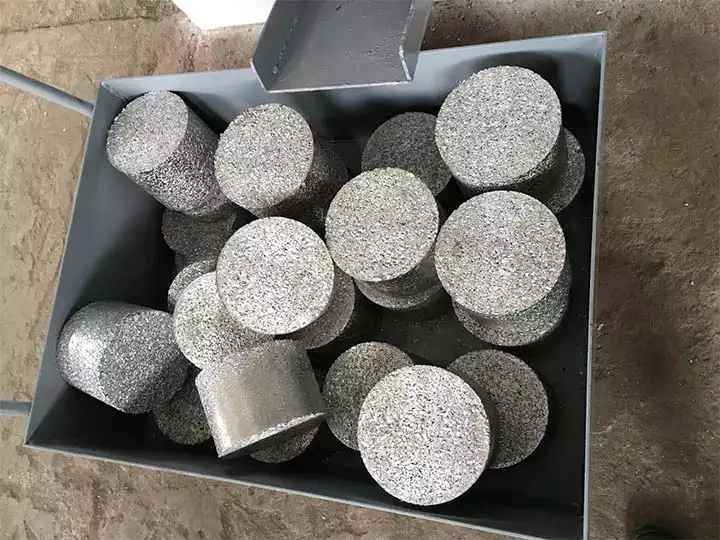
最终产品: 1- 2 mm thickness intact discs
Applicable Range: Aluminum can, tin can, beverage can, drinks can, empty can, and others
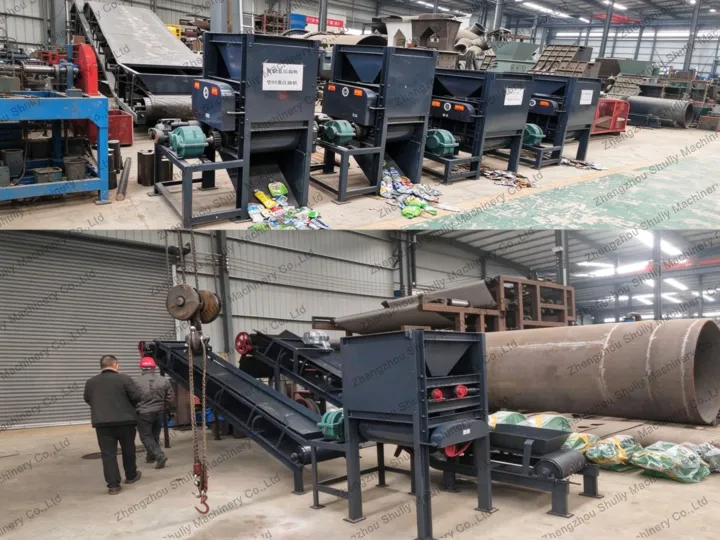
Optional Configuration: Inlet conveyor(conveyor belt + screw conveyor) + outlet conveyor
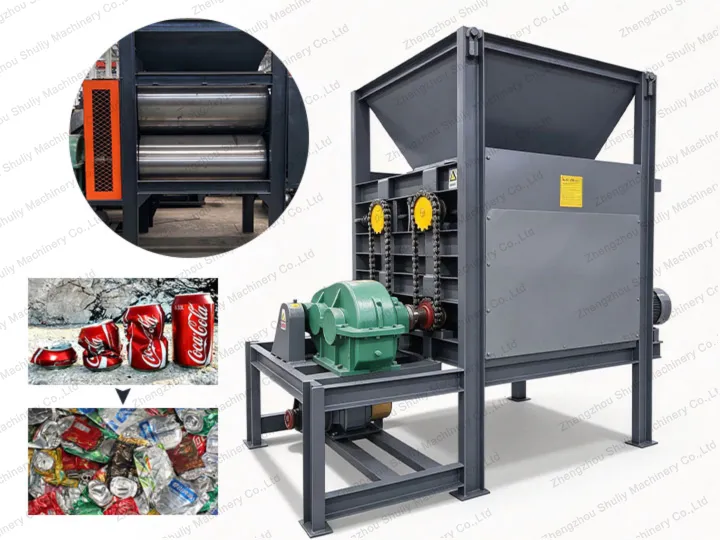
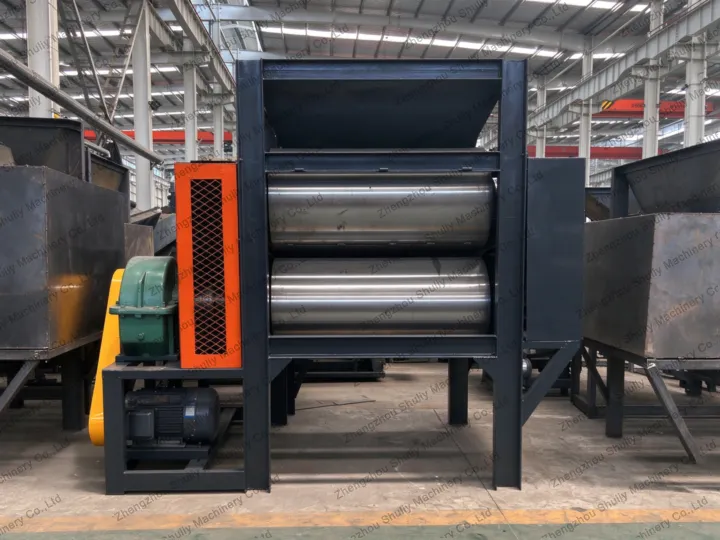
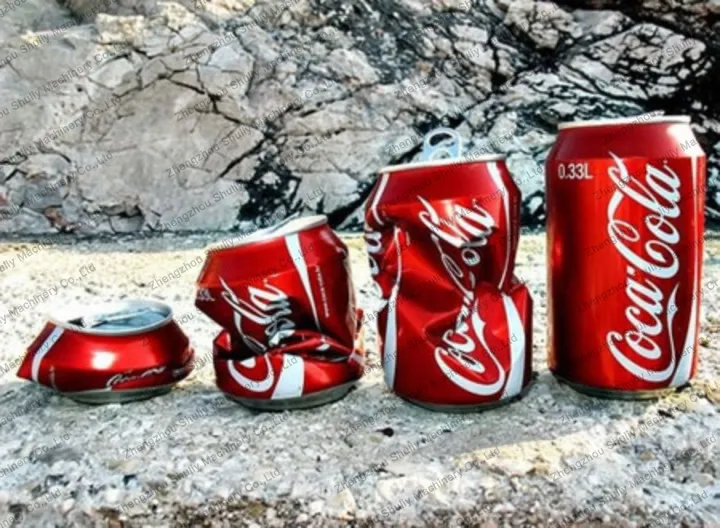
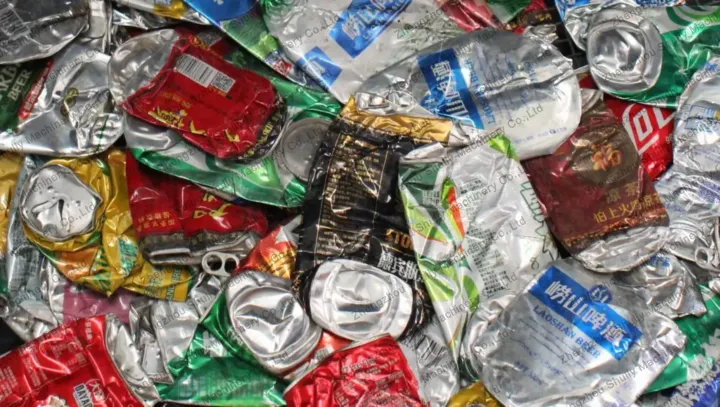
舒利 can flattening machine is a commercial recycling device that rolls empty aluminum and steel beverage cans between counter-rotating steel rollers into flat, intact discs just 1–2 mm thick. Unlike a shredder, it does not tear cans into fragments — each can leaves the machine as a single flattened piece with its barcode, brand artwork, and deposit label still readable. That one design choice is what makes flattening the preferred pre-processing step for container deposit schemes (CDS), recycling centers, venues, and retail collection points where can identity still has cash value.
Shuliy’s roller-type aluminum can crusher line covers 5 models from 300 to 3,000 kg/h — from a two-phase 3 kW unit for supermarket back rooms, to an 11 kW twin-roller machine processing three tons an hour for stadiums and CDS depots. Factory prices start at $1,400. Every model squeezes loose, air-filled cans into dense 1–2 mm discs, cutting storage volume by more than half so bins, bales, and truck loads fill efficiently.
Looking for machine specifications and pricing? Request a quote — tell us your daily can volume and we will recommend the right model.
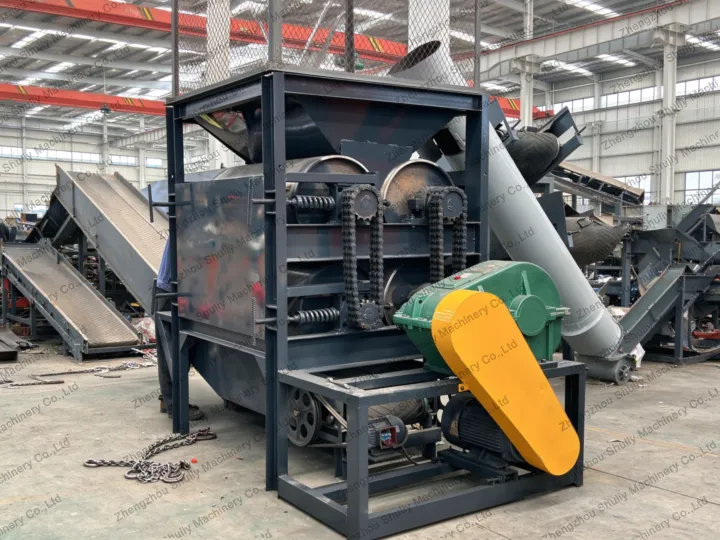
Working Video of Aluminum Can Flattening Machine
Flattening vs Shredding vs Baling: Know the Difference Before You Buy
Three machines are often confused in can recycling. Choosing the wrong one costs money — either in lost deposit refunds or in wasted capacity:
| Process | 输出 | Barcode / Deposit Value | Best For |
|---|---|---|---|
| Flattening (this machine) | Flat intact disc, one can = one piece | ✔ Fully readable — accepted by CDS and deposit schemes | Collection points, venues, recyclers handling deposit cans |
| Shredding | Torn fragments and mixed pieces | ✘ Destroyed — no individual refund possible | Volume reduction where can identity is irrelevant, downstream metal recovery |
| Baling | Compressed block of whole or crushed cans | △ Depends on pre-treatment | Transport and storage of bulk cans — see our aluminum can baling machine |
In short: if your cans carry refund value, flatten them. If you need metal fragments for furnace feed, a 废金属撕碎机 is the correct machine — not this one. Many operations run flattening first, then baling, to get both deposit processing and transport density.
How the Can Flattening Machine Works
- Step 1 — Feeding: Empty cans are dropped into the feed hopper above the roller set. The roller gap self-feeds each can as it enters.
- Step 2 — Nip: Two counter-rotating steel rollers (277–377 mm in diameter, matched to the model class) grip the can and pull it into the nip point between them.
- Step 3 — Rolling flat: The nip compresses the can uniformly into a solid disc of 1–2 mm thickness. The can walls fold inward under pressure; the printed surface is preserved rather than cut.
- Step 4 — Discharge: The flattened disc exits the roller gap into a collection bin or directly into a can baler for downstream block compression.
The rolling nip is what separates a flattener from a shredder: force is applied as continuous compression across the can, not as shear through it. No cutting, no tearing, no fragments — and no dust or oily fines that a shredder would generate.
Where Deposit Schemes Drive Can Flattener Demand
Aluminum can flattening machines see their strongest demand in markets where an empty can is worth money — and where the refund depends on the can remaining identifiable:
| Market | Scheme | Typical Deposit per Can | Why Flattening Fits |
|---|---|---|---|
| Australia | Container Deposit Scheme (CDS) — NSW, VIC, QLD, WA, TAS, ACT | 10 AU cents | Flattened UBCs stay scannable; volume cut means fewer collection runs |
| USA | Bottle deposit laws (10 states incl. MI, CA, NY) | 5–10 US cents | Venues and supermarkets pre-process deposit cans on site |
| Germany | Pfand deposit system | €0.25 | Press and retail back rooms flatten before return aggregation |
| UA | Deposit Return Scheme (rolling out, NI first) | expected 20p | Early infrastructure for collection networks |
Even outside deposit markets, aluminum’s scrap value makes dense flattened stock worth processing — see our guides on why aluminum can recycling matters 和 the profit in recycling used aluminum cans.
Typical Applications of Aluminum Can Flattening Machine
- CDS / deposit collection points — flatten high-volume UBC returns quickly while keeping each can refundable
- Recycling centers and MRFs — reduce bin-emptying frequency and cut on-site storage by over half
- Stadiums, arenas, event centers — process thousands of cans within hours after an event
- Supermarkets and retail back rooms — feed reverse-vending returns into compact, stackable discs
- Hotels, cruise terminals, airports — steady beverage-can waste with limited storage space
- Schools and municipal programs — hands-on recycling with visible volume-reduction results
Compatible Can Sizes for Aluminum Can Crusher
| Can Type | Common Sizes | Material |
|---|---|---|
| Standard beverage can | 330 ml / 12 oz | Aluminum |
| Large can | 500 ml / 16 oz | Aluminum |
| Tallboy / party can | 710 ml / 24 oz | Aluminum |
| Steel tin beverage can | Various | Tinplate steel |
Technical Specifications of Can Flattening Machine
All five models flatten cans to 1–2 mm discs. Throughput scales with roller diameter and width; the model number corresponds to the roller working width in millimeters:
| 模型 | Roller Ø × Width | 发动机 | 输出 | 减速器 | Size(W*L*H) |
|---|---|---|---|---|---|
| 400 | 277 × 400 mm | 3 kW, two-phase | 300–600 kg/h | 200 Model | 1040*1270*1500 mm |
| 600 | 300 × 600 mm | 4 kW, three-phase | 600–1,000 kg/h | 200 Model | 1080*1430*1600 mm |
| 600 Heavy-Duty | 377 × 600 mm | 7.5 kW, three-phase | 1,000–1,200 kg/h | 250 Model | 1280*1510*1850 mm |
| 1000 | 377 × 1,000 mm | 11 kW, three-phase | 1,500–2,000 kg/h | 350 Model | 2050*1300*2000 mm |
| 1200 | 377 × 1,200 mm | 11 kW, three-phase | 2,000–3,000 kg/h | 350 Model | 2300*1450*2000 mm |
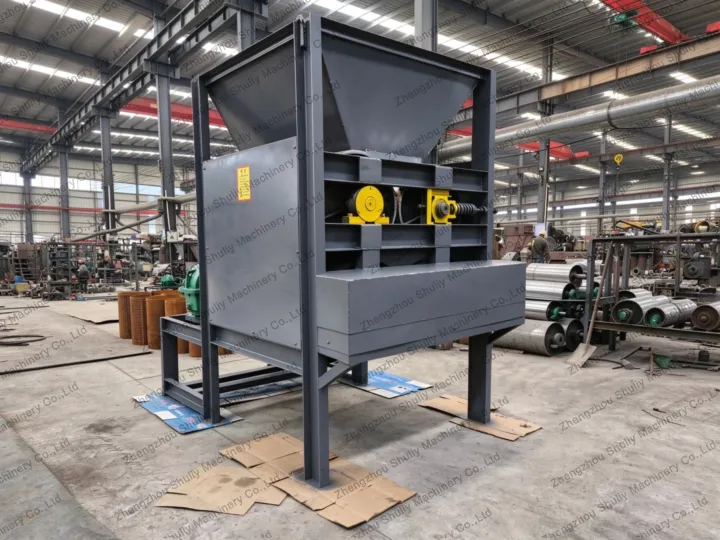
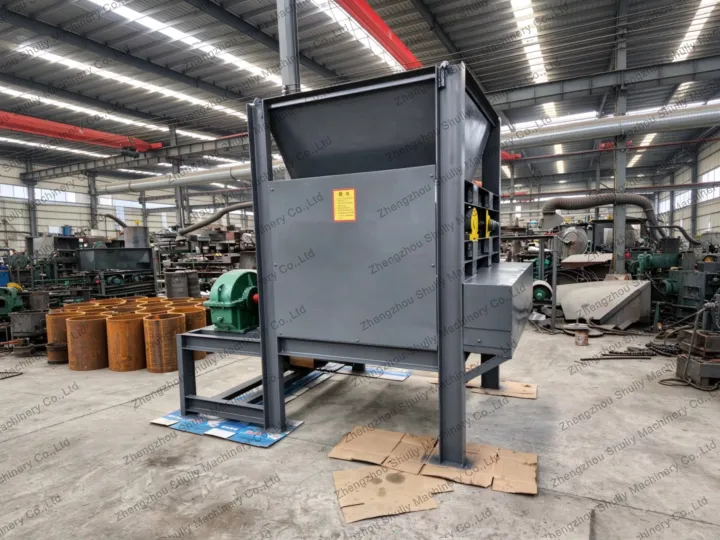
Which Model Fits Your Aluminum Can Recycling Operation?
- Model 400 (two-phase) — the only unit with a two-phase motor. Built for supermarket back rooms, hotels, and small collection points processing a few hundred kilos a day.
- Model 600 — the entry three-phase workhorse for CDS collection points and recycling centers running up to a ton per hour.
- Model 600 Heavy-Duty — the thicker 377 mm roller handles tougher steel cans and continuous duty at 1–1.2 t/h without derating.
- Models 1000 / 1200 — wide roller openings for high-volume MRFs, stadiums, and depot operations at 1.5–3 t/h.
Voltage configuration is confirmed at order time — tell us your local supply (two-phase or three-phase, 50/60 Hz) and we match the motor accordingly.
What’s the Aluminum Can Crushing Machine Price?
Factory price: $1,400 to $5,000
Our can flattening machine prices are set by roller size 和 motor class: the two-phase Model 400 starts at $1,400, the three-phase Model 600 at $1,650, the heavy-duty 600 at $2,400, and the high-volume 1000/1200 models at $4,500-5,000. Prices quoted above are factory (ex-works) prices in USD.
Two notes on budgeting: first, the Model 400’s two-phase motor means no three-phase power installation is needed at your site — a real saving for retail locations. Second, CIF pricing to your port is quoted on request; tell us your destination and we include shipping in the quotation.
ROI perspective: a supermarket or collection point running the Model 400 at 300–600 kg/h processes several tons of cans per day — turning daily truckloads of loose “air” into a fraction of the collection runs. The machine cost is typically recovered through transport and storage savings within months.
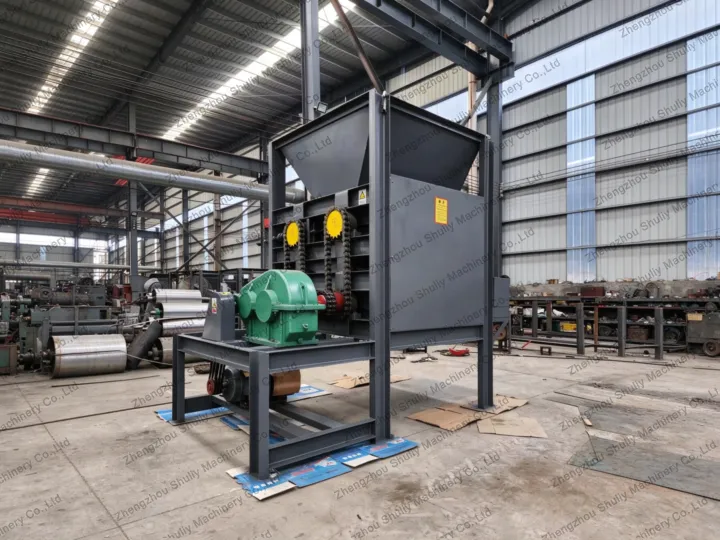
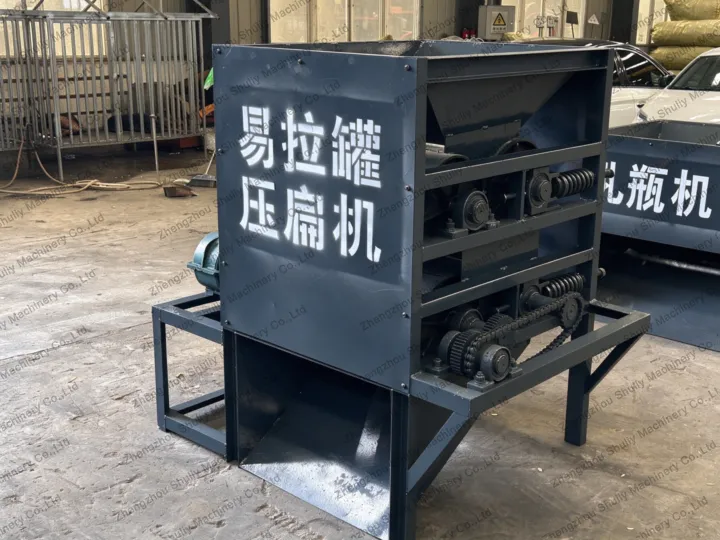
Related Equipment
- 铝罐打包机 — compress flattened or whole cans into dense blocks for transport
- PET Bottle Baling Machine — the equivalent volume-reduction step for plastic bottles
- 废金属撕碎机 — for operations that genuinely need fragmented metal, not flat intact cans
FAQ of Aluminum Can Flattening Machine
Does flattening a can destroy its deposit value?
No. The rollers compress each can flat — to a 1-2 mm disc — while keeping it whole. Barcode, brand artwork, and deposit text stay readable, so container deposit schemes still accept flattened cans. That’s why flattening is preferred over shredding for deposit cans.
Can the aluminum can crusher process steel cans as well as aluminum cans?
Yes. Both aluminum and tinplate steel beverage cans within the standard size range (330 ml to 710 ml) can be flattened. For high steel-can volume or continuous duty, choose the 600 Heavy-Duty model — its 377 mm roller is built for the tougher material.
How much volume does flattening actually save?
Loose cans are mostly trapped air. Rolling each can down to a 1-2 mm disc removes that air and cuts storage volume by more than half, so bins hold far more cans per load and collection or shipping runs drop accordingly.
Can flattening be combined with baling?
Yes, and many operators do exactly that: flatten first to shrink volume and keep cans identifiable, then bale the flattened discs into dense blocks for transport to the smelter or depot. Our aluminum can baler is the standard downstream machine.
Get a Quote — Tell Us Your Can Volume
To recommend the right can flattening machine, send us:
- Approximate can weight processed per day (kg or tons), or peak per hour
- Can types: aluminum, steel, or mixed
- Local voltage (110V / 220V / 380V, 50 or 60 Hz)
- Whether output goes to deposit return, baling, or direct scrap sale
We will reply within 24 hours with a model recommendation, full specification sheet, and FOB/CIF pricing.